
الموسيقار العالمي ياني وسيمفونية “تاج محل”: أهمية المقطوعة وأداءها في موقع تاريخي
إعداد الباحثة والناقدة: دنيا صاحب – العراق


الموسيقار العالمي ياني وسيمفونية “تاج محل”: أهمية المقطوعة وأداءها في موقع تاريخي
إعداد الباحثة والناقدة: دنيا صاحب – العراق
—
مقدمة البحث
ولد ياني كريسوستومو في 14 نوفمبر 1954 في مدينة كولومبوس بولاية إنديانا الأمريكية لعائلة يونانية مهاجرة، ويُعدّ أحد أبرز الملحنين والمنتجين الموسيقيين العالميين في مجال موسيقى النيو إيدج (New Age).
منذ طفولته، أظهر ياني شغفًا عميقًا بالموسيقى، وبدأ دراسة العزف على البيانو في سن مبكرة، متقنًا تقنيات الموسيقى الكلاسيكية الغربية. ومع تقدمه في العمر، طور أسلوبه الفريد الذي يمزج بين النغمات الكلاسيكية الغربية والإيقاعات الشرقية، مستخدمًا مجموعة متنوعة من الآلات الموسيقية مثل الكمان الهندي والعود والفلوت الشرقي.
يُعرف ياني عالميًا بحفلاته المذهلة في مواقع تاريخية وثقافية بارزة، مثل تاج محل في الهند، والمدينة المحرمة في الصين، والمسارح القديمة في اليونان، حيث تُبرز عروضه التراث المعماري والثقافي لهذه المواقع. كما أنه مؤسس لألبومات ناجحة مثل Live at the Acropolis وTribute، التي رسخت مكانته كجسر موسيقي بين الشرق والغرب وبين الثقافات المختلفة.
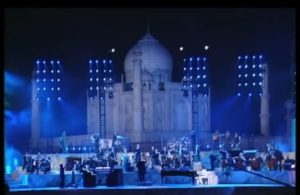
من أبرز أعماله، مقطوعة “تاج محل” التي أداها في حفل موسيقي استثنائي أمام ضريح تاج محل في مدينة أغرا بالهند، احتفالًا بالذكرى الخمسين لاستقلال الهند. تمثل هذه المقطوعة نموذجًا حيًا لفلسفة ياني في دمج الثقافات، حيث مزج بين الهارموني الغربي والمقامات الشرقية، مستخدمًا آلات متنوعة لخلق تجربة موسيقية روحية تعكس جمال الحب والخلود المرتبط بالرمزية الثقافية لموقع الضريح.
أعمال ياني، بما فيها “تاج محل”، تتميز بقدرتها على نقل المشاعر الإنسانية العميقة عبر البيانو والأوركسترا الكاملة والآلات الشرقية، فتجسد فلسفة “عالم واحد، شعب واحد”، وتبرز القدرة الفائقة للموسيقى على تجاوز الحدود الثقافية والجغرافية لتجمع البشر على لغة مشتركة من المشاعر والجمال الفني.
—
مقطوعة “تاج محل” (Deliverance)
نظرة عامة
تُعدّ مقطوعة “تاج محل” واحدة من أبرز أعمال ياني، حيث تمزج بين الموسيقى الكلاسيكية الغربية والتأثيرات الشرقية، وتعتبر رمزًا للتواصل الروحي بين الثقافات.
خلفية تاريخية
قُدمت هذه المقطوعة في إطار حفل موسيقي بعنوان Tribute أُقيم في مارس 1997 أمام ضريح تاج محل في أغرا، الهند، احتفالًا بالذكرى الخمسين لاستقلال الهند. ويُعدّ هذا الحفل حدثًا تاريخيًا، إذ كان الأول من نوعه الذي يُقام أمام هذا المعلم الشهير، وقد استُخدم فيه نظام إضاءة مبتكر لإبراز جمال الضريح ليلاً، مما يعكس احترام ياني للثقافة الهندية وتقديره للعمارة والتاريخ.
—
التحليل الموسيقي
تبدأ المقطوعة بتدرج ناعم من البيانو، يتبعه تدريجيًا دخول الأوركسترا والآلات الشرقية مثل الكمان والفلوت، مما يخلق توازنًا بين الألحان الغربية والإيقاعات الشرقية. وتتميز المقطوعة بتقنيات مثل التكرار التصاعدي والانخفاض التدريجي في الديناميكية لتعزيز تأثيرها العاطفي على المستمع وإغراقه في أجواء روحانية متميزة.
—
التحليل الفلسفي والروحي
تمثل مقطوعة “تاج محل” رحلة تأملية في مفهوم وحدة الشعوب والإنسانية. تتفاعل الألحان لتعكس تنوع التجارب الإنسانية، بينما يعبر التباين بين الآلات عن التناغم بين الشرق والغرب. وتظهر المقطوعة قدرة الموسيقى على تجاوز الحدود الثقافية والجغرافية، معززةً فكرة الوحدة الإنسانية ولغة المشاعر العالمية.
من منظور ديني وفلسفي، تجسد المقطوعة الوحدة الروحية للبشرية كما جاءت في الرسالات السماوية، التي تدعو إلى التقوى والمحبة والتعاون، وتؤكد المساواة والرحمة بين الشعوب. تمامًا كما تجمع الموسيقى بين ألحان وثقافات مختلفة في لوحة واحدة متكاملة، تدعو الرسالات السماوية إلى الوحدة والانسجام الروحي بين البشر بعيدًا عن الانقسامات العرقية والدينية.
بهذه الطريقة، يتحول أداء ياني لمقطوعة “تاج محل” إلى رسالة روحانية حية تعكس قيمة التعاون والتلاحم الإنساني، وتؤكد أن المشاعر الإنسانية والأخلاق الفاضلة تشكل لغة عالمية تتجاوز اختلاف الثقافات والمعتقدات.
—
صحوة الضمير الإنساني
تسهم مقطوعة “تاج محل” في إيقاظ الضمير الإنساني من خلال التأمل في قيم الحب والرحمة والوحدة، فهي تبرز قدرة الإنسان على التواصل مع الآخرين بروح التسامح والتعاطف، متجاوزًا الانقسامات العرقية والدينية والثقافية. كما تحث على التأمل في القيم الروحية العليا التي تجمع البشر على الفضيلة والعدل والرحمة، لتنعكس صحوة داخلية نحو الخير والعمل الصالح.
تُظهر المقطوعة أن الفن والموسيقى قادران على رفع مستوى الوعي الإنساني، ويمثلان جسرًا يصل بين العواطف والقيم الروحية، لتصبح الموسيقى لغة عالمية تُنبه الإنسان إلى مسؤولياته تجاه ذاته والآخرين، وتذكّره بأن الحب والرحمة يشكلان أساس كل حضارة راقية ووحدة إنسانية مستدامة.
—
طريقة عزف ياني على البيانو
يُعتبر ياني من أبرز العازفين على آلة البيانو، حيث يتميز بأسلوبه الفريد الذي يجمع بين التقنية العالية والإحساس العميق. يظهر في عزفه استخدامه للتقنيات الكلاسيكية مثل التمرير السلس للأصابع والتنقل الديناميكي بين النغمات العالية والمنخفضة، مما يضفي على مقطوعاته طابعًا دراميًا مؤثرًا. كما يظهر براعة في دمج الأصوات الإلكترونية مع البيانو التقليدي، مما يخلق توازنًا رائعًا بين الأصالة والحداثة.
—
تأليف مقطوعات تمزج بين الألحان الشرقية والغربية
يتميز ياني بقدرته على دمج العناصر الموسيقية من ثقافات متنوعة، مما ينتج مقطوعات غنية ومتكاملة. يستفيد من المقامات الموسيقية الشرقية ويُدمجها مع الهارموني الغربي والإيقاعات الكلاسيكية لتكوين تجربة موسيقية عالمية. في مقطوعة “تاج محل”، يستخدم مجموعة متنوعة من الآلات الشرقية والغربية، مما يمنح العمل طابعًا شرقيًا أصيلًا وعمقًا فنيًا متميزًا.
يُعدّ ألبوم Tribute من أبرز أعماله التي تُظهر هذا المزج بين الشرق والغرب، حيث تم تسجيله في مواقع تاريخية مثل تاج محل في الهند والمدينة المحرمة في الصين، مما يعزز الطابع الثقافي والفلسفي للمقطوعات.
—
التحليل الفلسفي للموسيقى المدمجة
تعكس موسيقى ياني فلسفة “عالم واحد، شعب واحد”، إذ يسعى من خلالها إلى تجاوز الحدود الثقافية والجغرافية. يعبر عن هذه الفلسفة باستخدام مقامات وألحان متنوعة من ثقافات مختلفة، مما يعزز فكرة الوحدة الإنسانية. كما يظهر من خلال عزفه على البيانو القدرة على التعبير عن طيف واسع من المشاعر الإنسانية، من الفرح إلى الحزن، مانحًا موسيقاه عمقًا وجدانيًا وروحيًا.
—
الآلات الموسيقية المستخدمة في مقطوعة “تاج محل”
1. البيانو – الآلة الرئيسية التي يظهر من خلالها إتقان ياني للعزف والتقنيات الكلاسيكية والديناميكية.
2. الآلات الوترية الغربية
الكمان: لإضفاء عمق عاطفي وتعبير درامي.
الفيولا: تضيف طبقات صوتية غنية تكمل الألحان.
التشيلو: يعزز الأبعاد الصوتية ويضيف ثقلًا موسيقيًا.
الكونترباس: يوفر قاعدة صوتية قوية ومستقرة.
3. الآلات النحاسية
الترومبون: لإضفاء نغمات قوية ومؤثرة.
الترومبيت: يضيف لمسات لحنية مشرقة وحيوية.
4. الآلات الخشبية
الفلوت: لإضفاء نغمات رقيقة وشفافة.
الكلارينيت: يضيف عمقًا صوتيًا وتنوعًا في الألوان الموسيقية.
5. الآلات الإيقاعية
الطبول: لإضفاء إيقاع قوي وديناميكي.
الدف: يضيف لمسات إيقاعية ناعمة ومتنوعة.
6. الآلات الشرقية التقليدية
الدودوك: آلة نفخ أرمنية تضيف نغمات حنينية وعاطفية.
ساكسوفون البامبو: يضيف نغمات فريدة بطابع شرقي.
الفلوت الصيني: يضفي لمسات موسيقية تقليدية صينية.
الناي: آلة نفخ شرقية تضيف عمقًا عاطفيًا وروحيًا.
الكونا: آلة نفخ تقليدية تضيف نغمات مميزة.
7. الآلات الوترية التقليدية
الشارانغو: آلة وترية تقليدية تضيف نغمات فريدة من الثقافة اللاتينية.
8. الآلات الإيقاعية التقليدية
الديدجيريدو: آلة إيقاعية تقليدية تضيف نغمات عميقة ومؤثرة.
The World-Renowned Musician Yanni and the “Taj Mahal” Symphony: The Significance of the Composition and Its Performance in a Historic Setting
Prepared by Researcher and Critic: Donia Sahib – Iraq
—
Introduction
Yanni Chrysostomou was born on November 14, 1954, in Columbus, Indiana, USA, to a family of Greek immigrants. He is regarded as one of the most prominent composers and music producers in the global New Age music scene.
From a young age, Yanni demonstrated a deep passion for music, beginning piano studies early and mastering the techniques of Western classical music. As he matured, he developed his unique style, blending Western classical melodies with Eastern rhythms, employing a diverse range of instruments such as the Indian violin, oud, and Eastern flute.
Yanni is internationally renowned for his spectacular performances at historic and culturally significant sites, including the Taj Mahal in India, the Forbidden City in China, and ancient theaters in Greece, where his concerts highlight the architectural and cultural heritage of these locations. He is also the creator of acclaimed albums such as Live at the Acropolis and Tribute, establishing his role as a musical bridge between East and West and among diverse cultures.
Among his notable works is the composition Taj Mahal, performed in an exceptional concert before the Taj Mahal mausoleum in Agra, India, celebrating the 50th anniversary of Indian independence. This composition exemplifies Yanni’s philosophy of cultural fusion, blending Western harmony with Eastern maqams, and employing a variety of instruments to create a spiritual musical experience reflecting the beauty of love and immortality associated with the cultural symbolism of the site.
Yanni’s works, including Taj Mahal, are distinguished by their ability to convey profound human emotions through piano, full orchestras, and Eastern instruments, embodying the philosophy of “One World, One People,” and demonstrating music’s extraordinary power to transcend cultural and geographical boundaries, uniting humanity through a shared language of emotion and artistic beauty.
—
The Composition “Taj Mahal” (Deliverance)
Overview
Taj Mahal is one of Yanni’s most distinguished works, combining Western classical music with Eastern influences, and serves as a symbol of spiritual connection among cultures.
Historical Background
This composition was presented as part of a concert titled Tribute, held in March 1997 before the Taj Mahal in Agra, India, celebrating the 50th anniversary of India’s independence. The concert was a historic event, being the first of its kind at this renowned monument. An innovative lighting system was used to enhance the beauty of the mausoleum at night, reflecting Yanni’s respect for Indian culture and appreciation for its architecture and history.
—
Musical Analysis
The piece begins with a gentle piano progression, gradually joined by the orchestra and Eastern instruments such as the violin and flute, creating a balance between Western melodies and Eastern rhythms. Techniques such as ascending repetition and gradual dynamic decline enhance its emotional impact, immersing listeners in a distinctive spiritual atmosphere.
—
Philosophical and Spiritual Analysis
Taj Mahal represents a contemplative journey into the concept of human unity. The melodies interact to reflect the diversity of human experiences, while contrasts between instruments signify harmony between East and West. The piece demonstrates music’s ability to transcend cultural and geographical boundaries, reinforcing the idea of human unity and the universal language of emotions.
From a religious and philosophical perspective, the composition embodies humanity’s spiritual unity as expressed in divine messages, which call for piety, love, and cooperation, and affirm equality and compassion among peoples. Just as music unites different melodies and cultures into a harmonious whole, divine teachings encourage spiritual unity and harmony among humans beyond racial or religious divisions.
Through this lens, Yanni’s performance of Taj Mahal becomes a living spiritual message, reflecting the value of collaboration and human solidarity, affirming that human emotions and virtuous ethics constitute a universal language transcending cultural and belief differences.
—
Awakening the Human Conscience
Taj Mahal awakens the human conscience by reflecting on the values of love, compassion, and unity. It highlights humanity’s capacity to connect with others with tolerance and empathy, surpassing racial, religious, and cultural divisions. It also encourages contemplation of higher spiritual values that unite people in virtue, justice, and mercy, inspiring an inner awakening toward good deeds.
The composition demonstrates that art and music can elevate human consciousness, acting as a bridge between emotions and spiritual values. Music thus becomes a universal language reminding humans of their responsibilities toward themselves and others, emphasizing that love and compassion form the foundation of every advanced civilization and sustainable human unity.
—
Yanni’s Piano Technique
Yanni is renowned as a masterful pianist, distinguished by a style that combines technical mastery with deep emotional expression. His playing exhibits classical techniques, such as smooth finger transitions and dynamic shifts between high and low notes, creating a dramatic and evocative tone. He also skillfully integrates electronic sounds with traditional piano, achieving a remarkable balance between authenticity and modernity.
—
Composing Works that Blend Eastern and Western Melodies
Yanni excels at integrating musical elements from diverse cultures, producing rich and cohesive compositions. He incorporates Eastern maqams and blends them with Western harmony and classical rhythms to create a global musical experience. In Taj Mahal, he employs a wide range of Eastern and Western instruments, giving the work an authentic Eastern character and distinctive artistic depth.
The album Tribute is one of his most prominent works showcasing this East-West fusion, recorded at historic sites such as the Taj Mahal in India and the Forbidden City in China, enhancing the cultural and philosophical significance of the compositions.
—
Philosophical Analysis of the Integrated Music
Yanni’s music reflects the philosophy of “One World, One People,” aiming to transcend cultural and geographical boundaries. He expresses this philosophy through the use of diverse scales and melodies from different cultures, reinforcing the idea of human unity. His piano performance conveys a wide range of human emotions, from joy to sorrow, granting his music profound emotional and spiritual depth.
—
Instruments Used in the “Taj Mahal” Composition
1. Piano – The primary instrument, demonstrating Yanni’s mastery of classical and dynamic techniques.
2. Western String Instruments
Violin: Adds emotional depth and dramatic expression.
Viola: Provides rich layers complementing the melodies.
Cello: Enhances sonic dimensions and adds musical weight.
Double Bass: Offers a strong and stable sonic foundation.
3. Brass Instruments
Trombone: Conveys powerful, impactful tones.
Trumpet: Adds bright, lively melodic touches.
4. Woodwind Instruments
Flute: Produces delicate, transparent tones.
Clarinet: Adds depth and color variety to the music.
5. Percussion Instruments
Drums: Provide strong and dynamic rhythm.
Daf: Adds soft, varied rhythmic textures.
6. Traditional Eastern Instruments
Duduk: An Armenian wind instrument adding nostalgic, emotional tones.
Bamboo Saxophone: Offers unique Eastern-flavored tones.
Chinese Flute: Infuses traditional Chinese musical touches.
Nay: An Eastern wind instrument adding emotional and spiritual depth.
Kouna: A traditional wind instrument adding distinctive sounds.
7. Traditional String Instruments
Charango: A traditional string instrument adding unique Latin American tones.
8. Traditional Percussion Instruments
Didgeridoo: A traditional percussion instrument producing deep, resonant tones.
الجزء الثاني
تاج محل: الموقع الأثري كمسرح تاريخي لتقديم عرض أوركسترا ياني
يُعَدّ اختيار تاج محل موقعًا رمزيًا لتقديم مقطوعة «تاج محل» للموسيقار العالمي ياني أمرًا بالغ الدلالة؛ ليس فقط لقيمته التاريخية والمعمارية، بل أيضًا لرمزيته الثقافية والإنسانية. فهذا الضريح الشهير، الذي أمر ببنائه الإمبراطور المغولي شاه جهان عام 1632م تخليدًا لذكرى زوجته ممتاز محل (توفيت عام 1631م)، أصبح أيقونة عالمية للحب الخالد والجمال الروحي. ويأتي توظيف موسيقى ياني المستوحاة من هذا المكان ليجعل من الفعل الفني نفسه امتدادًا لهذه الرمزية، فيتحوّل العمل الموسيقي إلى لقاء بين الفن والمعمار والروح الإنسانية.
من الناحية التاريخية، أُدرج تاج محل ضمن قائمة التراث العالمي لليونسكو منذ عام 1983، ويجذب ملايين الزوار سنويًا. وقد ارتبط اسم ياني بالموقع من خلال ألبومه الشهير Tribute (1997) – الذي سُجّل في مواقع تاريخية بارزة مثل المدينة المحرّمة في بكين وأمام تاج محل في أغرا – في سابقة فنية فريدة؛ إذ أتاح للجمهور العالمي تجربة موسيقية بصرية وروحية في قلب أحد أعظم معالم العمارة المغولية الإسلامية في الهند. هذا التلاقي بين الموسيقى والمعمار التاريخي أضفى على العمل طابعًا احتفاليًا عالميًا يعكس احترام الفنان للتراث الإنساني وقدرته على توظيفه فضاءً للسلام والجمال.
من الناحية البصرية والصوتية، يوفّر تاج محل بيئة استثنائية؛ إذ يخلق انعكاس الضوء على الرخام الأبيض وتناسق القباب والمآذن خلفية بصرية ملهمة، بينما يسمح الامتداد المفتوح لساحة الضريح بانتشار الصوت بصورة طبيعية، ليعيش الجمهور تجربة حسّية متكاملة تجمع بين جمال المكان وألق الموسيقى.
كما أن استلهام مقطوعة «تاج محل» في هذا الموقع يعمّق المعنى الرمزي للموسيقى؛ فبينما يروي الضريح قصة حب خالد، تجسّد المقطوعة رسالة وحدة ومحبة بين الشعوب. وبذلك يصبح العمل ليس مجرد مقطوعة موسيقية، بل فعلًا ثقافيًا وإنسانيًا يجسد التقاء الحضارات الشرقية والغربية ويؤكد قدرة الفن على مخاطبة وجدان الإنسان أينما كان.
—
الطابع المعماري الإسلامي – في العهد المغولي
بُني تاج محل في عهد الإمبراطورية المغولية الإسلامية بالهند على يد الإمبراطور المسلم شاه جهان. ويُعد التصميم مثالًا بديعًا على العمارة المغولية، وهي مزيج من العمارة الإسلامية والفارسية والهندية.
المخطط العام للضريح والحديقة يعتمد على نمط الجنات الأربع (Chahar Bagh)، المستوحى من وصف الجنة في القرآن الكريم، حيث تتكرر صور المياه الجارية والأنهار المتقاطعة والأشجار المثمرة كرمز للخلود والنعيم الإلهي. وتمثل هذه الحدائق النهرية نموذجًا للانسجام بين الطبيعة والمعمار، فتخلق توازنًا بين الجمال الطبيعي والروحاني، وتعكس التصور الإسلامي للجنان كمكان للسكينة والراحة والاتصال الروحي مع الخالق.
—
الزخارف والخطوط الإسلامية
جميع الآيات المنقوشة على جدران التاج هي آيات قرآنية مكتوبة بخط الثلث، تُبرز الجانب الروحي للمبنى.
كما أن غياب التماثيل أو الصور البشرية يتوافق مع تقاليد الفن الإسلامي الذي يركّز على الزخارف الهندسية والنباتية والخط العربي.
—
رمزية الضريح
الغاية من بناء التاج كانت تخليد ذكرى ممتاز محل زوجة شاه جهان، في سياق ثقافة إسلامية ترى في المعمار وسيلة للتعبير عن الروحانية وجمال الهندسة الإلهية في تصوير الخلق.
واختيار الضريح على ضفة نهر اليامونا له دلالة رمزية تتماشى مع تصوّرات الحدائق النهرية والجنان كما وردت في القرآن الكريم، لتجسّد الطبيعة كمرآة للجمال الإلهي والتناغم الكوني.
—
مكانته في التراث الإسلامي العالمي
يُعدّ التاج اليوم أحد أعظم الأمثلة على الفن الإسلامي في شبه القارة الهندية، وقد أدرجته اليونسكو ضمن مواقع التراث العالمي باعتباره تحفة فنية تجمع تأثيرات العمارة الإسلامية والفارسية والهندية والتركية في عمل واحد.
—
الخاتمة الفلسفية
إن اجتماع الموسيقى العالمية مع فن العمارة الإسلامية في ضريح تاج محل يقدّم مشهدًا فنيًا مهيبًا يكشف عن بُعد أعمق، حيث تتجلّى قدرة الفن على تجسيد خلود الحب الإنساني في إطار الوجود الإلهي. فالحب الذي خُلّد في ضريح تاج محل وحدائق الجنات النهرية وموسيقى الموسيقار ياني يُقرأ كتاريخ وكصوت لإرادة سامية تجعل الجمال والروحانية لغة مشتركة بين البشر. وهكذا يصبح تاج محل، بما يحمله من رمزية، نقطة التقاء بين خلود الحب وتجليات القدرة الإلهية في روح الإنسان، ليبتكر تصميم هندسة الفن الروحاني، ويرتقي بالمكان والزمان إلى مستوى البُعد السماوي الذي يسعى إليه الإنسان في أسمى معاني وجوده.
Taj Mahal: The Archaeological Site as a Historical Stage for Yanni’s Orchestra Performance
Prepared by Researcher and Critic: Donia Sahib – Iraq
The selection of the Taj Mahal as a symbolic venue for the performance of the composition “Taj Mahal” by the world-renowned musician Yanni carries profound significance—not only for its historical and architectural value but also for its cultural and human symbolism. This iconic mausoleum, commissioned by the Mughal Emperor Shah Jahan in 1632 to commemorate his wife Mumtaz Mahal (who passed away in 1631), has become a global emblem of eternal love and spiritual beauty. The integration of Yanni’s music, inspired by this site, extends this symbolism into the artistic act itself, transforming the musical work into a meeting point between art, architecture, and the human spirit.
Historically, the Taj Mahal has been listed as a UNESCO World Heritage Site since 1983 and attracts millions of visitors annually. Yanni’s association with the site through his famous album Tribute (1997)—recorded at prominent historical sites such as the Forbidden City in Beijing and in front of the Taj Mahal in Agra—represents a unique artistic precedent. It offered a global audience a multisensory musical and visual experience in the heart of one of the greatest examples of Mughal Islamic architecture in India. This convergence of music and historical architecture endowed the work with a celebratory universal character, reflecting the artist’s respect for human heritage and his ability to utilize it as a space for peace and beauty.
From a visual and acoustic perspective, the Taj Mahal provides an exceptional environment. The reflection of light on the white marble, combined with the harmony of domes and minarets, creates an inspiring visual backdrop, while the expansive open courtyard allows sound to resonate naturally. This enables the audience to experience a fully immersive sensory encounter, blending the beauty of the site with the brilliance of the music.
Moreover, drawing inspiration from the composition “Taj Mahal” at this site deepens the symbolic meaning of the music. While the mausoleum narrates a story of eternal love, the composition conveys a message of unity and love among peoples. Consequently, the work transcends being merely a musical piece, becoming a cultural and human act that embodies the convergence of Eastern and Western civilizations and affirms the power of art to touch the human soul wherever it resides.
—
Islamic-Mughal Architectural Character
The Taj Mahal was constructed during the Mughal Islamic Empire in India by the Muslim Emperor Shah Jahan. Its design is a splendid example of Mughal architecture, blending Islamic, Persian, and Indian architectural styles.
The general layout of the mausoleum and its gardens follows the Chahar Bagh (Four Gardens) pattern, inspired by the Quranic description of Paradise, where flowing waters, intersecting rivers, and fruitful trees recur as symbols of immortality and divine bliss. These riverine gardens exemplify the harmony between nature and architecture, creating a balance between natural beauty and spirituality, and reflecting the Islamic conception of Paradise as a place of tranquility, rest, and spiritual communion with the Creator.
—
Islamic Decorations and Calligraphy
All inscriptions on the walls of the Taj Mahal are Quranic verses written in Thuluth script, highlighting the spiritual dimension of the building.
The absence of statues or human images aligns with the traditions of Islamic art, which emphasize geometric and vegetal patterns alongside Arabic calligraphy.
—
Symbolism of the Mausoleum
The purpose of constructing the Taj Mahal was to immortalize Mumtaz Mahal, Shah Jahan’s wife, within an Islamic cultural framework that views architecture as a means to express spirituality and the beauty of divine design in the depiction of creation.
The mausoleum’s placement on the banks of the Yamuna River carries symbolic significance, consistent with the Quranic conception of riverine gardens and Paradise, portraying nature as a mirror of divine beauty and cosmic harmony.
—
Its Status in Global Islamic Heritage
Today, the Taj Mahal stands as one of the greatest examples of Islamic art in the Indian subcontinent. UNESCO has listed it as a World Heritage Site, recognizing it as a masterpiece that combines the influences of Islamic, Persian, Indian, and Turkish architecture in a single creation.
—
Philosophical Conclusion
The union of global music with Islamic architectural art at the Taj Mahal presents a majestic artistic tableau, revealing a deeper dimension: the capacity of art to embody the immortality of human love within the divine framework of existence. The love immortalized in the Taj Mahal, its riverine gardens, and Yanni’s music reads as both history and expression of a sublime will, rendering beauty and spirituality a universal language among humans. Thus, the Taj Mahal, with all its symbolic weight, becomes a convergence point between the eternity of love and the manifestations of divine power within the human spirit, giving rise to the design of spiritual artistic architecture and elevating space and time to the celestial dimension that humanity seeks in the highest meanings of existence.
